

PERSONALIZED FAMILY SUPPORT
Doula Services in Rock Hill, SC
Compassionate birth and postpartum support for families across Rock Hill and the surrounding Carolinas.
Free Virtual Consultations via Zoom
Serving families in Rock Hill, SC and nearby areas
EXPERIENCED DOULA TEAM
INCLUSIVE, RESPECTFUL CARE
EVIDENCE-INFORMED GUIDANCE
LOCALLY ROOTED SUPPORT
Pregnancy Support in Rock Hill, SC
A Connected Care Journey for Your Family
What sets The Nesting House apart is the continuity of care we offer. Rather than supporting families at just one point in time, our team walks alongside you through pregnancy, labor, and the early weeks at home. We take time to understand your birth preferences, your household, and your recovery needs so that the support we provide actually fits your life. Our doulas are located across the service area, which means a familiar, accessible face is never far away.
Our Story and Values
Rooted in Community, Built on Compassion
The Nesting House grew out of a commitment to community care and a belief that every family, regardless of background or circumstance, deserves knowledgeable support during one of life's biggest transitions. Since 2023, we have been serving families across Rock Hill and beyond with birth doula care, postpartum support, childbirth education, placenta encapsulation, and community programs designed to connect and uplift new and growing families. Our approach is educational, nurturing, and attentive to the whole family's experience, not just the birth itself.
Why Families Choose Us
What Makes The Nesting House Different
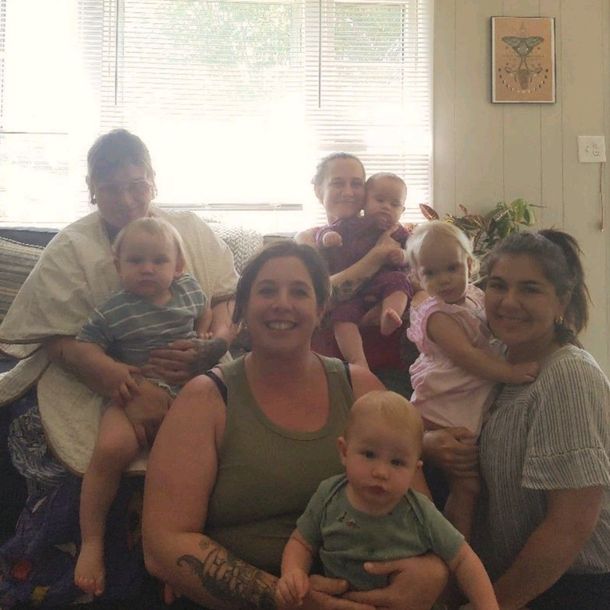
Families across Rock Hill and the Carolinas choose The Nesting House because we offer more than a single service at a single moment. We provide a connected, community-rooted approach to birth and postpartum care that keeps the whole family in focus from start to finish.
Birth and postpartum support under one team
Certified Spinning Babies knowledge for labor preparation
Spanish-speaking doula support available
Distributed team covering a wide service area
Community programs including baby showers and workshops
Free virtual consultations with no obligation
Our Services at a Glance
Pregnancy Support in Rock Hill, SC and Beyond
The Nesting House offers five core services that work together to support families from pregnancy through the postpartum period. Each service is designed to complement the others, so your care never feels disconnected or incomplete.

Postpartum Doula Care
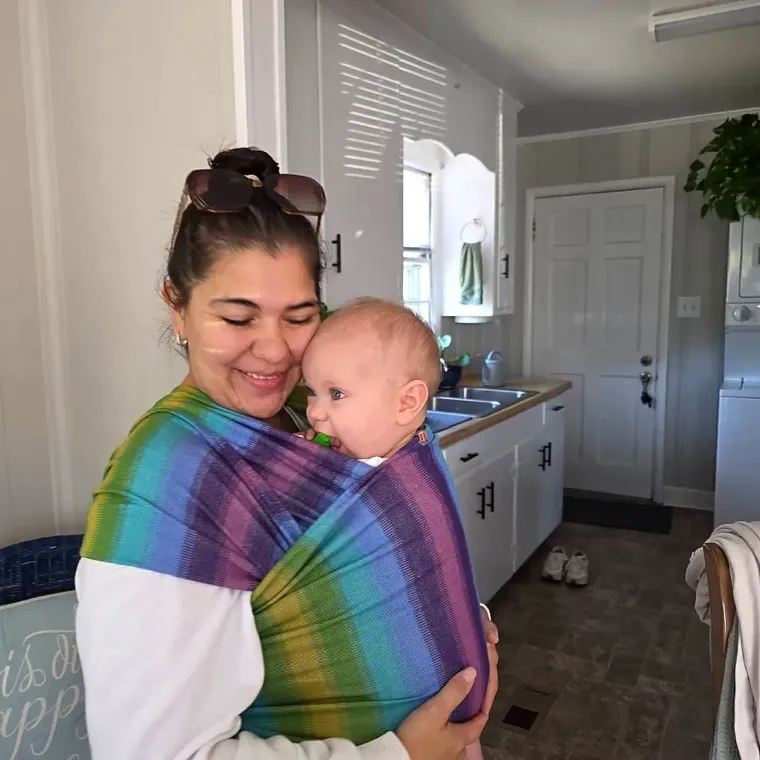
Hands-on support for mothers and families after birth, covering rest and recovery, newborn and sibling care, household help, feeding guidance, gentle sleep support, and baby wearing.
Placenta Encapsulation
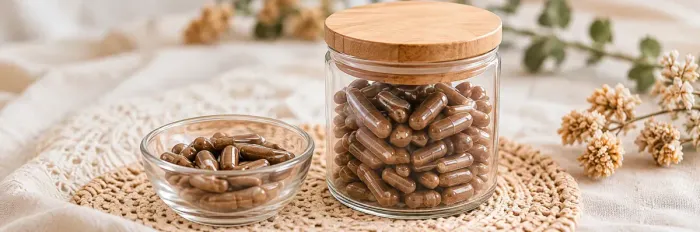
A service available with travel, pickup, and delivery included, using a dedicated intake process to ensure everything is handled with care.

Birth Doula Care
Physical and emotional labor support across all birth settings, including birth plan preparation, partner involvement, and coordination with your nurses and midwives.

Spinning Babies Method
Certified positioning knowledge used during labor preparation and support to help families and doulas work together with greater confidence.
Childbirth Education
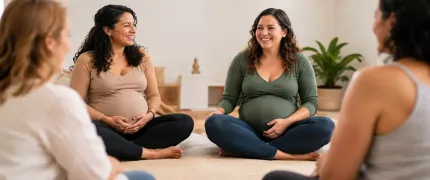
A virtual course covering trimester nutrition education, birth planning, and delivery preparation to help you feel informed and ready.
What Families Are Saying
Well Reviewed by Families Across Rock Hill
Families who have worked with The Nesting House consistently share how supported, informed, and cared for they felt throughout their pregnancy, birth, and postpartum experience. Their words reflect the compassionate, community-rooted approach that guides everything we do.
Common Questions About Doula Services
Frequently Asked Questions
What does a doula do, and how is that different from what a midwife or doctor does?
A doula provides continuous physical and emotional support before, during, and after birth, but does not perform clinical duties. That means a doula does not deliver babies, prescribe medications, or diagnose medical conditions. Those responsibilities belong to your physician or midwife. What a doula does is help you prepare your birth plan, support you and your partner through labor, communicate with your medical team, and provide practical care during postpartum recovery. The two roles work alongside each other rather than replacing one another.When is a good time to connect with The Nesting House about doula support?
Families are welcome to reach out at any point during pregnancy, and many find it helpful to connect early so there is time to get to know their doula before the birth. Postpartum support can also be arranged closer to your due date or after your baby arrives. A free virtual consultation is a good starting point, giving you a chance to ask questions, learn about the services available, and figure out what kind of support fits your family's needs.What birth settings does The Nesting House support?
The Nesting House supports families giving birth in hospitals, birth centers, and at home, including water births. Regardless of where you plan to give birth or whether your birth is medicated or unmedicated, our doulas are prepared to provide consistent support. We help with birth plan preparation, physical comfort during labor, emotional encouragement, partner support, and communication with nurses and midwives throughout the process.What does postpartum doula care include on a day-to-day basis?
Postpartum doula care is practical, hands-on support designed to help mothers rest and recover while the household keeps running. On a typical visit, a postpartum doula might help with newborn care, support older siblings in adjusting to a new baby, assist with light household tasks, provide basic lactation and pumping guidance, offer gentle sleep support, or teach baby-wearing techniques. Packages are sold in bulk hours and may include postpartum massage. The goal is to help the whole family feel more settled during the early weeks at home.Does The Nesting House offer support in Spanish?
Yes. The Nesting House has Spanish-speaking doula support available, which makes care more accessible for families who prefer to communicate in Spanish. Clear communication is especially important during pregnancy and birth, and having a doula who can speak with you in your preferred language can make a meaningful difference in how supported and understood you feel. You can ask about Spanish-speaking availability when you request your free consultation.How does a free consultation work, and does requesting one commit me to anything?
Free consultations are held virtually through Zoom. You request one by reaching out through the contact form or by sending a text, and the team will follow up to schedule a time. The consultation is a conversation, not a commitment. It gives you a chance to ask questions about any of the services, learn how the team works, and decide whether The Nesting House is the right fit for your family. Submitting a request does not confirm or schedule an appointment automatically.Which areas does The Nesting House serve?
The Nesting House is based in Rock Hill, SC and serves families across a wide region in both South Carolina and North Carolina. Covered communities include Fort Mill, Waxhaw, Indian Trail, Lancaster, Clover, Shelby, Gastonia, Spartanburg, York, Columbia, Aiken, Chester, Mooresville, Huntersville, and Charlotte. The team includes doulas located in different parts of the service area, which helps reduce travel distance between a family and their assigned doula.What is the Spinning Babies method, and how does it factor into doula support?
Spinning Babies is an approach that focuses on fetal positioning and movement techniques used during labor preparation and support. Doulas with Spinning Babies training bring knowledge of how body positioning and specific movements can support labor progress. At The Nesting House, this is a recognized area of expertise for several team members. The method is used as part of labor preparation and active support, not as a medical intervention or a guarantee of any particular birth outcome.